
How Aging Affects Skin Pigmentation: Causes, Types, Prevention & Treatment Tips
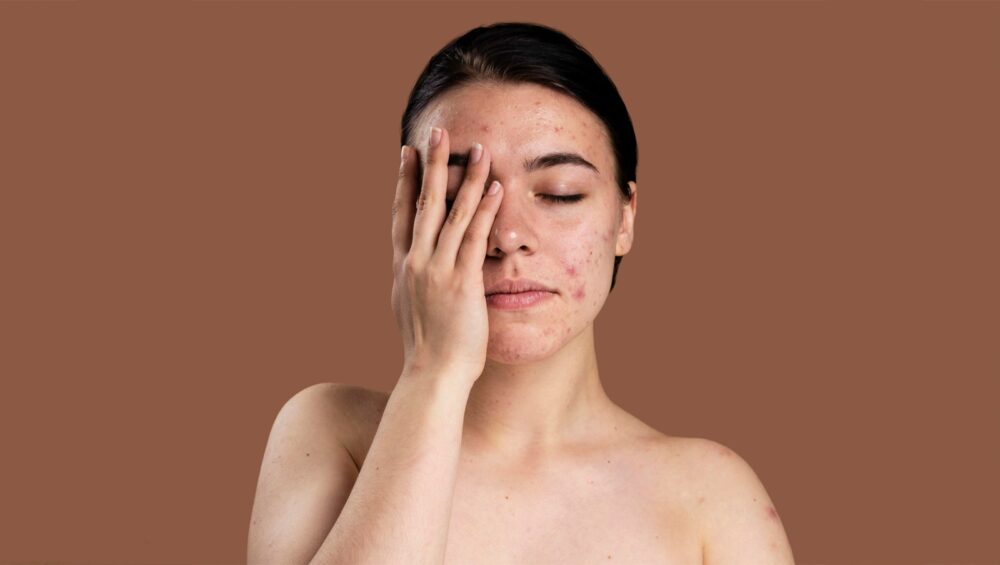
As we age, our skin evolves — fine lines, dryness, and uneven pigmentation begin to tell the story of time. Among these, skin pigmentation is one of the most noticeable changes. Dark spots, dullness, and uneven tone often appear due to years of sun exposure, hormonal changes, and slower cell renewal.
But nature has its own solution — rose vinegar. Infused with the rejuvenating power of rose petals and the purifying essence of natural vinegar, it can help you regain your skin’s brightness, balance, and beauty the gentle way.
Let’s understand how aging affects skin pigmentation and how rose vinegar can make a difference.
What Is Skin Pigmentation?
Skin pigmentation refers to the natural color of your skin determined by melanin, a pigment produced by cells called melanocytes. Melanin protects your skin from harmful UV rays. However, with aging, this process becomes irregular — leading to uneven tone, age spots, or hyperpigmentation.
Rose vinegar, being mildly acidic, helps in balancing the skin’s natural pH and gently exfoliates the top layer — promoting fresh, even-toned skin over time.
How Aging Affects Skin Pigmentation :
As the skin ages, several internal and external factors affect how evenly melanin is distributed:
- Uneven Melanin Production: Aging melanocytes become erratic — producing excess pigment in some areas and less in others, causing patchy skin.
Rose vinegar can help by gently removing dead skin cells and promoting better cell renewal for smoother tone. - Sun Damage Over Time: Prolonged UV exposure leads to “sun spots” or “age spots.”
The antioxidants in rose vinegar combat oxidative damage from UV rays, protecting your skin from further pigmentation. - Slower Skin Regeneration: The renewal rate of skin cells slows down with age, making dark spots linger longer.
Rose vinegar’s natural acids encourage mild exfoliation, revealing brighter and healthier-looking skin. - Oxidative Stress & Pollution: Free radicals break down skin structure and trigger irregular pigmentation.
Rose vinegar’s rose polyphenols and vitamin C content help neutralize these free radicals and enhance your skin’s defense.
Common Types of Age-Related Pigmentation :
- Age Spots (Liver Spots): Brown or black spots caused by sun exposure.
- Melasma: Dark patches linked to hormonal changes.
- Freckles: Inherited spots that darken with age and sunlight.
- Post-Inflammatory Hyperpigmentation: Marks left after acne or skin injury.
Rose vinegar can help lighten mild pigmentation types with consistent, diluted use — making the skin appear more uniform and refreshed.
Why Rose Vinegar Is Perfect for Aging Skin :
Rose vinegar isn’t just a beauty ingredient — it’s a natural skin tonic. Here’s why it’s ideal for mature or pigmented skin:
- Balances Skin pH: Keeps the skin’s acid mantle intact, reducing dullness and dryness.
- Gently Exfoliates: Removes dead skin cells and encourages regeneration.
- Rich in Antioxidants: Protects against environmental damage and slows visible signs of aging.
- Enhances Circulation: Promotes healthy blood flow, giving skin a soft, natural glow.
- Calms & Soothes: Reduces redness, inflammation, and uneven texture.
How to Use Rose Vinegar for Pigmentation :
- As a Toner: Mix 1 part rose vinegar with 2 parts water. Apply with a cotton pad after cleansing.
- As a Face Mask Add-On: Add a few drops to multani mitti or aloe vera gel for a natural brightening face pack.
- For Spot Treatment: Dab diluted rose vinegar gently on dark spots using a cotton bud.
- As a Refreshing Rinse: Add 1 tablespoon to a bowl of water and rinse your face to remove dullness.
(Always dilute before use and perform a patch test.)
Prevention & Care Tips for Healthy, Even-Toned Skin :
- Apply sunscreen every day — even indoors.
- Eat antioxidant-rich foods (berries, citrus fruits, leafy greens).
- Stay hydrated and get sufficient sleep.
- Exfoliate twice a week with mild ingredients.
- Avoid harsh chemical products that irritate the skin.
Combine these steps with regular use of rose vinegar to naturally enhance skin clarity and youthfulness.
Final Thoughts :
Aging is inevitable, but pigmentation doesn’t have to be permanent. By understanding how your skin changes and nourishing it with natural remedies like rose vinegar, you can maintain a bright, even complexion for years to come.
Rose vinegar gently fades dark spots, boosts glow, and restores balance — revealing a youthful, radiant you, the natural way.
Check Our Product – Rose Vinegar Infused With ACV and Aloevera ExtractAs we age, our skin evolves — fine lines, dryness, and uneven pigmentation begin to tell the story of time. Among these, skin pigmentation is one of the most noticeable changes. Dark spots, dullness, and uneven tone often appear due to years of sun exposure, hormonal changes, and slower cell renewal.
But nature has its own solution — rose vinegar. Infused with the rejuvenating power of rose petals and the purifying essence of natural vinegar, it can help you regain your skin’s brightness, balance, and beauty the gentle way.
Let’s understand how aging affects skin pigmentation and how rose vinegar can make a difference.
What Is Skin Pigmentation?
Skin pigmentation refers to the natural color of your skin determined by melanin, a pigment produced by cells called melanocytes. Melanin protects your skin from harmful UV rays. However, with aging, this process becomes irregular — leading to uneven tone, age spots, or hyperpigmentation.
Rose vinegar, being mildly acidic, helps in balancing the skin’s natural pH and gently exfoliates the top layer — promoting fresh, even-toned skin over time.
How Aging Affects Skin Pigmentation :
As the skin ages, several internal and external factors affect how evenly melanin is distributed:
- Uneven Melanin Production: Aging melanocytes become erratic — producing excess pigment in some areas and less in others, causing patchy skin.
Rose vinegar can help by gently removing dead skin cells and promoting better cell renewal for smoother tone. - Sun Damage Over Time: Prolonged UV exposure leads to “sun spots” or “age spots.”
The antioxidants in rose vinegar combat oxidative damage from UV rays, protecting your skin from further pigmentation. - Slower Skin Regeneration: The renewal rate of skin cells slows down with age, making dark spots linger longer.
Rose vinegar’s natural acids encourage mild exfoliation, revealing brighter and healthier-looking skin. - Oxidative Stress & Pollution: Free radicals break down skin structure and trigger irregular pigmentation.
Rose vinegar’s rose polyphenols and vitamin C content help neutralize these free radicals and enhance your skin’s defense.
Common Types of Age-Related Pigmentation :
- Age Spots (Liver Spots): Brown or black spots caused by sun exposure.
- Melasma: Dark patches linked to hormonal changes.
- Freckles: Inherited spots that darken with age and sunlight.
- Post-Inflammatory Hyperpigmentation: Marks left after acne or skin injury.
Rose vinegar can help lighten mild pigmentation types with consistent, diluted use — making the skin appear more uniform and refreshed.
Why Rose Vinegar Is Perfect for Aging Skin :
Rose vinegar isn’t just a beauty ingredient — it’s a natural skin tonic. Here’s why it’s ideal for mature or pigmented skin:
- Balances Skin pH: Keeps the skin’s acid mantle intact, reducing dullness and dryness.
- Gently Exfoliates: Removes dead skin cells and encourages regeneration.
- Rich in Antioxidants: Protects against environmental damage and slows visible signs of aging.
- Enhances Circulation: Promotes healthy blood flow, giving skin a soft, natural glow.
- Calms & Soothes: Reduces redness, inflammation, and uneven texture.
How to Use Rose Vinegar for Pigmentation :
- As a Toner: Mix 1 part rose vinegar with 2 parts water. Apply with a cotton pad after cleansing.
- As a Face Mask Add-On: Add a few drops to multani mitti or aloe vera gel for a natural brightening face pack.
- For Spot Treatment: Dab diluted rose vinegar gently on dark spots using a cotton bud.
- As a Refreshing Rinse: Add 1 tablespoon to a bowl of water and rinse your face to remove dullness.
(Always dilute before use and perform a patch test.)
Prevention & Care Tips for Healthy, Even-Toned Skin :
- Apply sunscreen every day — even indoors.
- Eat antioxidant-rich foods (berries, citrus fruits, leafy greens).
- Stay hydrated and get sufficient sleep.
- Exfoliate twice a week with mild ingredients.
- Avoid harsh chemical products that irritate the skin.
Combine these steps with regular use of rose vinegar to naturally enhance skin clarity and youthfulness.
Final Thoughts :
Aging is inevitable, but pigmentation doesn’t have to be permanent. By understanding how your skin changes and nourishing it with natural remedies like rose vinegar, you can maintain a bright, even complexion for years to come.
Rose vinegar gently fades dark spots, boosts glow, and restores balance — revealing a youthful, radiant you, the natural way.
Check Our Product – Rose Vinegar Infused With ACV and Aloevera Extract