
Coconut Oil vs. Virgin Coconut Oil: What’s the Real Difference?
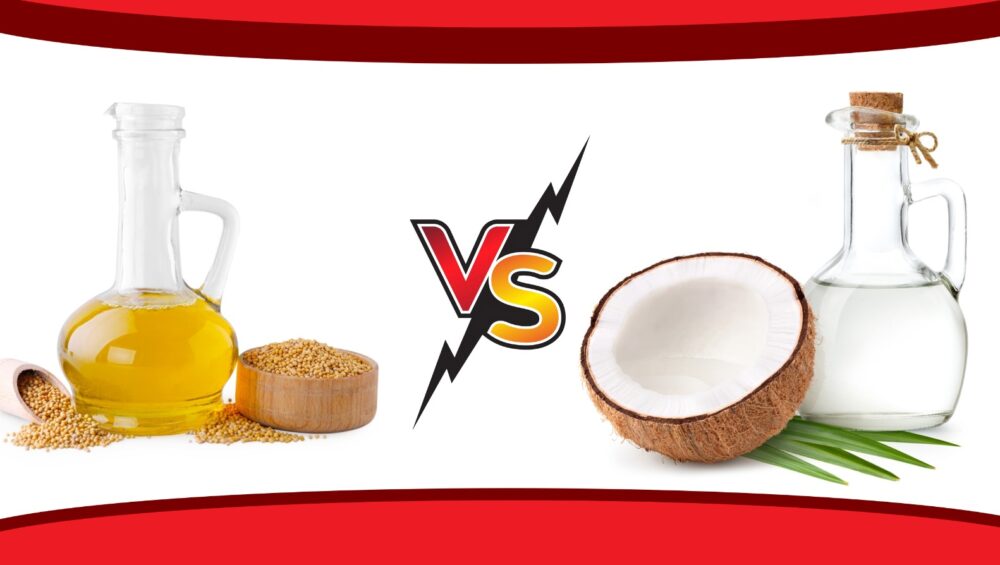
Coconut oil has been a part of Indian homes for centuries—used for cooking, hair care, skin nourishment, healing, and even traditional remedies. But with the growing awareness about purity and natural wellness, Virgin Coconut Oil (VCO) has become one of the most sought-after oils in the health and beauty world.
While both oils come from the same fruit, the way they are extracted, processed, and used makes them completely different from each other.
If you have ever wondered, “Which one is better for me—regular coconut oil or virgin coconut oil?”
this detailed comparison will help you understand everything clearly.
1. The Story of Extraction: Fresh vs. Dried
The biggest difference between regular coconut oil and virgin coconut oil begins at the source.
Regular Coconut Oil – Extracted from Copra
Regular coconut oil is produced using dried coconut kernels, commonly known as copra.
This copra is:
- Sun-dried or kiln-dried
- Often stored for long periods
- Followed by refining to remove impurities
To make it usable, the oil undergoes:
- Refining
- Bleaching
- Deodorizing
This process gives the oil a neutral smell but also reduces its natural nutrients.
Virgin Coconut Oil – Extracted From Fresh Coconut
Virgin Coconut Oil is made from fresh coconut milk, not copra.
The process generally includes:
- Grating fresh coconut
- Extracting milk
- Cold-pressing or fermenting
- No heat, no chemicals, no refining
This preserves the pure, natural aroma, flavor, and nutrients of the coconut.
In simple words: Regular coconut oil is processed; Virgin Coconut Oil is fresh and pure.
2. Processing Methods: How They Affect Quality
The method of extraction decides whether the oil stays nutrient-rich or loses its natural goodness.
Regular Coconut Oil – Due to high heat and refining:
- Many antioxidants are destroyed
- Aroma is removed
- Some essential compounds are lost
- The oil becomes lighter but less nutritious
Virgin Coconut Oil – Cold-pressing protects:
- Natural antioxidants
- Lauric acid
- Vitamins
- Healthy plant compounds (polyphenols)
- Enzymes
It is closer to the coconut in its purest form.
Verdict: VCO is more potent, more nutritious, and more beneficial.
3. Nutritional Value: Why Virgin Coconut Oil Wins
Coconut is naturally rich in healthy fats, but how much of it reaches your body depends on extraction quality.
Regular Coconut Oil Contains:
- Saturated fats
- Medium-chain triglycerides (MCTs)
- Some lauric acid
- Lower antioxidants (due to refining)
Virgin Coconut Oil Contains:
- Higher MCTs
- Rich lauric acid content
- Powerful antioxidants
- Anti-inflammatory properties
- Vitamins E & K
- Natural enzymes
Why it matters: Lauric acid is known for boosting immunity, improving skin health, and fighting harmful bacteria.
Regular coconut oil has it too, but in lower concentration.
4. Aroma, Taste & Appearance :
The simplest way to differentiate both oils is through the senses.
Regular Coconut Oil –
- Mild or neutral smell
- Clear appearance
- Light taste
- Often lacks the natural coconut fragrance
- Strong, fresh coconut aroma
- Milky white when solid, crystal clear when melted
- Slightly sweet, pleasant taste
- Feels richer and smoother
This natural aroma is loved in skincare and baby care routines.
5. Cooking & Daily Use : Both oils can be used in the kitchen and for holistic wellness, but their best uses are different.
Best Uses of Regular Coconut Oil –
- Deep frying
- High-heat cooking
- Traditional Indian recipes
- Oil pulling
- Hair oiling
- Household uses
Best Uses of Virgin Coconut Oil –
- Medium-heat cooking
- Keto & weight-loss diets
- Raw consumption (1 tsp daily)
- Baby massage
- Winter skincare
- Lip care
- Anti-aging
- Treating dryness & irritation
- Hair nourishment
- Massage therapy
VCO is preferred for internal consumption due to its purity.
6. Health Benefits: Which Oil Helps More?
Regular Coconut Oil Benefits –
- Supports hair growth
- Good for cooking
- Provides energy
- Long shelf life
Virgin Coconut Oil Benefits –
- Boosts immunity
- Helps in weight loss (due to MCTs)
- Improves digestion
- Reduces inflammation
- Nourishes skin deeply
- Promotes glowing complexion
- Natural healer for dryness
- Supports thyroid balance
- Anti-bacterial & anti-viral properties
Clearly, VCO provides more wellness advantages.
7. Skin & Hair Benefits (Why VCO Is Preferred for Beauty) :
Virgin Coconut Oil –
- Penetrates deeply
- Repairs dry skin
- Locks moisture
- Reduces fine lines
- Strengthens hair roots
- Controls dandruff
- Safe for sensitive skin
Regular Coconut Oil –
- Works well as a hair oil
- Helps reduce frizz
- But may feel heavy on the skin
- Less effective for facial use
8. Price Difference: Why VCO Costs More
Virgin Coconut Oil is slightly more expensive, and here’s why:
- Uses fresh coconuts
- Requires cold-press technology
- Zero chemicals or bleaching
- Higher nutrient retention
- Small batch extraction
You are paying for purity and quality—especially important for skincare and consumption.
Which One Should You Choose?
It depends on your purpose:
Choose Regular Coconut Oil for –
- Deep frying
- Affordable cooking oil
- Hair oiling
- Household uses
Choose Virgin Coconut Oil for –
- Skincare
- Baby care
- Weight loss
- Immunity
- Digestion
- Raw consumption
- Keto lifestyle
- Natural beauty routines
Conclusion
Both oils have their own uses, but Virgin Coconut Oil stands out as a superior, nutrient-rich, pure form of coconut oil. Its cold-pressed extraction protects all the natural goodness of the coconut, making it ideal for health, beauty, baby care, and internal wellness.
Regular coconut oil remains a great cooking staple, but when it comes to nutrition and purity, Virgin Coconut Oil offers unmatched benefits.
Check Our Product – Virgin Coconut Oil