
Challenges of Cultivating Spirulina in Space
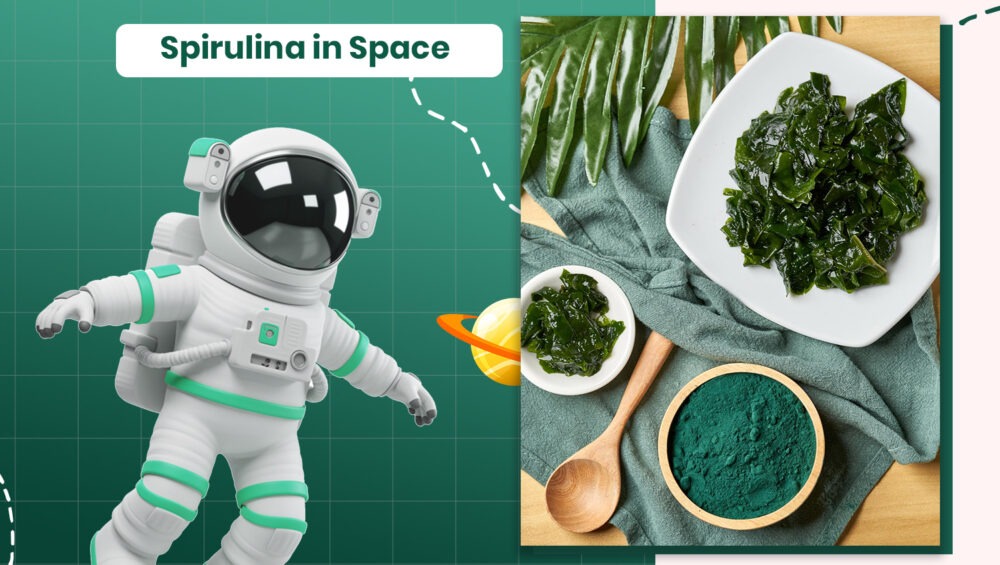
Spirulina, the blue-green algae known as a nutritional powerhouse, has been hailed as one of the most promising superfoods for future space missions. With its high protein content, essential vitamins, and sustainability, Spirulina offers a potential solution for feeding astronauts on long-term space journeys. But while the idea of growing Spirulina in orbit sounds exciting, the reality is filled with challenges.
Why Consider Spirulina Cultivation in Space?
Astronauts on extended missions need a reliable, fresh, and nutrient-dense food source. Carrying large amounts of food from Earth isn’t feasible due to weight and storage limitations. Cultivating Spirulina aboard spacecraft or space stations could provide:
- A renewable source of protein.
- Oxygen generation through photosynthesis.
- Waste recycling by utilizing carbon dioxide.
- Compact, efficient nutrition with minimal resource use.
But despite these advantages, the cultivation process faces many obstacles.
Major Challenges in Cultivating Spirulina in Space :
1. Microgravity Effects – Spirulina grows naturally in shallow water under Earth’s gravity. In microgravity, water doesn’t settle—it floats in globules. This disrupts the normal growth conditions, making it difficult to maintain Spirulina cultures in stable liquid environments.
2. Light Availability & Distribution – Spirulina needs light for photosynthesis. In space, artificial light must be provided, but ensuring even light penetration in microgravity is complex. Uneven lighting may cause inconsistent growth and reduced yields.
3. Temperature Control – Spirulina thrives in warm conditions (around 30–35°C). Space environments experience extreme temperature fluctuations, and maintaining an optimal range for Spirulina requires advanced thermal regulation systems.
4. Nutrient Supply – Spirulina requires a nutrient-rich medium (containing minerals, bicarbonates, and nitrogen). Transporting or recycling these nutrients in space is a challenge, as supplies are limited and must be used efficiently.
5. Contamination Risks – Closed systems in spacecraft are prone to microbial contamination. Even a small imbalance could harm Spirulina cultures, reducing their nutritional quality or making them unsafe for consumption.
6. Energy Consumption – Continuous lighting, temperature control, and water recycling demand high energy. In spacecraft, energy is already scarce and prioritized for life-support and mission systems. Spirulina farming would need highly energy-efficient setups.
7. Crew Time & Maintenance – Astronauts already follow tight schedules. Monitoring and maintaining Spirulina cultures requires extra effort, making automation and low-maintenance designs essential.
The Future of Space Farming with Spirulina :
Despite these challenges, scientists are optimistic. Advances in bioreactor technology, LED lighting systems, and closed-loop life-support systems are bringing us closer to cultivating Spirulina in orbit or even on Mars. If successful, Spirulina could serve not only as food but also as part of a self-sustaining ecosystem, recycling carbon dioxide and producing oxygen alongside nutrients.
Lessons for Earth :
Interestingly, solving these challenges for space also benefits us on Earth. More efficient Spirulina cultivation methods could lead to sustainable farming practices in resource-poor regions, helping fight malnutrition and food insecurity.
Cultivating Spirulina in space is not just about feeding astronauts—it’s about building the foundation for sustainable life beyond Earth. The road ahead is challenging, but the possibilities are inspiring.
Check our product – Spirulina