
Ayurvedic Superfoods for Modern Living Curcumin, Arjuna & Fenugreek
Introduction
In today’s fast-paced world, people are turning back to ancient wisdom to find balance, health, and vitality. Ayurveda, the traditional Indian system of medicine, has always emphasized the power of food and herbs to nourish both body and mind. Some ingredients that were once staples in ancient kitchens and healing practices are now celebrated globally as superfoods.
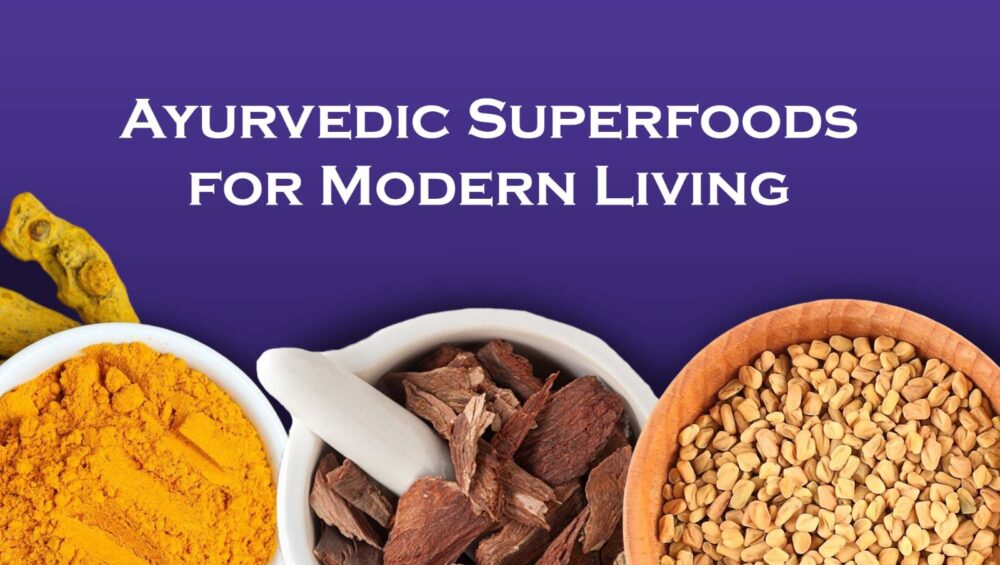
Three such Ayurvedic superfoods—Curcumin, Arjuna, and Fenugreek—are proving to be especially relevant in modern living, offering solutions for inflammation, heart health, and metabolic wellness. Let’s explore their benefits and how you can integrate them into your daily routine.
1. Curcumin – Nature’s Anti-Inflammatory Gold
Curcumin is the active compound in turmeric (Curcuma longa), the bright yellow spice found in almost every Indian kitchen.
Key Benefits:
- Anti-inflammatory powerhouse: Curcumin helps reduce chronic inflammation, which is linked to conditions like arthritis, heart disease, and even cancer.
- Boosts immunity: Its antioxidant properties strengthen the body’s defense against infections.
- Supports brain health: Studies suggest curcumin may improve memory and reduce the risk of neurodegenerative diseases.
- Digestive aid: It promotes healthy digestion and may reduce bloating and indigestion.
How to Use:
- Add turmeric to curries, soups, or golden milk.
- Choose supplements with black pepper (piperine) for better absorption
2. Arjuna – The Ayurvedic Heart Protector
Arjuna (Terminalia arjuna) is a medicinal tree whose bark has been used in Ayurveda for centuries as a cardioprotective herb.
Key Benefits:
- Supports heart health: Traditionally prescribed for angina, hypertension, and cholesterol management.
- Improves circulation: Helps strengthen the cardiac muscles and improve blood flow.
- Antioxidant-rich: Protects against oxidative stress, a key factor in heart disease.
- Stress relief: Its adaptogenic properties help manage stress and promote emotional balance.
How to Use:
- Arjuna bark powder can be boiled in water and consumed as a decoction.
- Capsules and supplements are also available for convenience.
3. Fenugreek – The Metabolism Booster
Fenugreek (Trigonella foenum-graecum) is both a culinary spice and a medicinal herb with wide-ranging health benefits.
Key Benefits:
- Blood sugar regulation: Fenugreek seeds are known to improve insulin sensitivity and lower blood sugar levels, making them beneficial for people with diabetes.
- Supports digestion: Helps relieve constipation and indigestion.
- Enhances lactation: Traditionally used by nursing mothers to increase milk supply.
- Weight management: Its high fiber content promotes satiety and helps control appetite.
How to Use:
- Soak fenugreek seeds overnight and drink the water in the morning.
- Add fenugreek leaves (methi) to curries, parathas, or stews.
- Use fenugreek powder in herbal teas or smoothies.
Why These Superfoods Matter in Modern Living
Today’s lifestyle is filled with stress, sedentary habits, processed foods, and pollution—all of which increase the risk of chronic diseases. Ayurvedic superfoods like Curcumin, Arjuna, and Fenugreek offer natural support by:
- Reducing inflammation and oxidative stress.
- Promoting heart and metabolic health.
- Supporting immunity and digestion.
- Providing natural, plant-based solutions without heavy reliance on synthetic medications.
How to Incorporate Them into Your Lifestyle
- Start your day with a glass of warm water infused with turmeric and black pepper.
- Drink Arjuna bark tea or take a supplement for heart support.
- Include fenugreek seeds in your cooking or consume soaked seeds for blood sugar balance.
- Pair these with a balanced diet, yoga, and mindfulness for a holistic Ayurvedic lifestyle.
Precautions
- Always consult a doctor before starting new herbs if you are on medication (especially for diabetes, blood pressure, or heart disease).
- Excess consumption of fenugreek may cause digestive discomfort.
- Pregnant women should use these herbs cautiously.
Ayurveda teaches us that food is medicine, and when used wisely, natural herbs can prevent illness and restore balance. Curcumin, Arjuna, and Fenugreek are shining examples of Ayurvedic superfoods that seamlessly blend into modern life. Whether you’re looking to fight inflammation, strengthen your heart, or regulate your metabolism, these ancient remedies can support your journey toward wellness.
By embracing Ayurvedic nutrition alongside modern science, we can enjoy the best of both worlds—ancient wisdom with modern convenience.