
Affordable Nutrition: Can Spirulina Tackle Global Food Security Challenges?
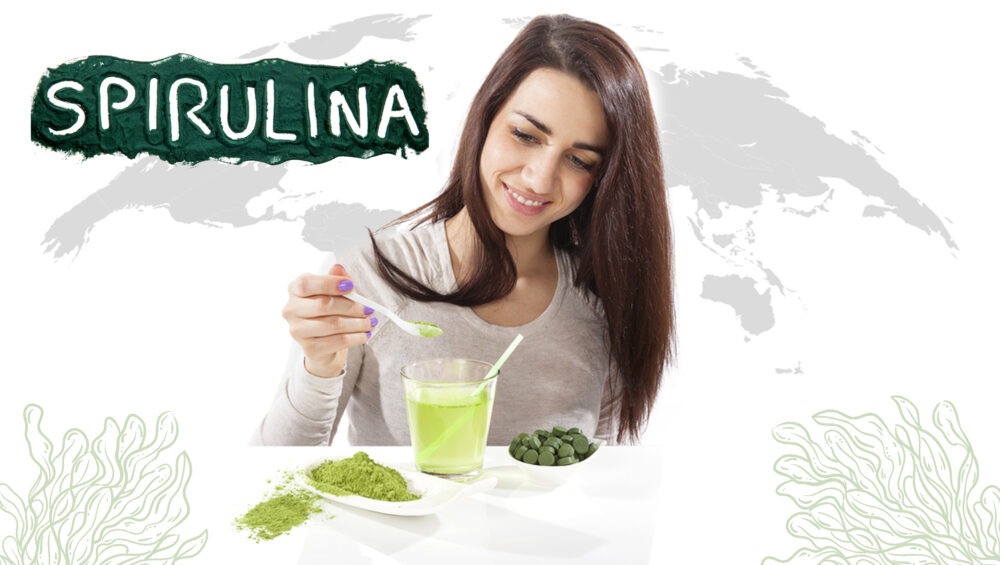
Food security is one of the defining challenges of our time. Though we produce enough calories globally, too many people still suffer from undernutrition, hidden hunger, and lack of access to nutritious food. Rising costs, climate change, supply chain disruptions, and conflicts make it harder for millions to afford a healthy diet. In this landscape, Spirulina — a nutrient-dense microalga — is emerging as a potential tool to help fill the gaps. But can it realistically make a difference on a global scale?
The Current Food Security & Nutrition Crisis :
To understand Spirulina’s role, first, it helps to look at the current state of global food security.
Undernourishment & hunger: About 735 million people (≈ 9.2% of world population) are undernourished.
Acute food insecurity: Millions face emergencies due to conflicts, climate shocks, displacement, and economic crises. In many countries, conflict and displacement drive food insecurity.
Unaffordable healthy diets: A large share of the population cannot afford diets that meet nutritional needs.
In 2021, more than 3.1 billion people could not afford a healthy diet.
In 2024, the average cost of a healthy diet globally reached US $4.46 per person per day. Even then, many people still find this out of reach.
Lower-income countries, are especially challenged. Food prices are high, inflation remains, and diet costs are near record highs for many.
Micronutrient deficiencies and malnutrition: Hidden hunger (vitamin/mineral deficiencies) remains very common:
Stunting in children under five, low birth weight, and anemia in women and children are widespread.
These deficiencies incur huge economic, health, and developmental costs.
Climate change, supply disruptions, conflict: These increase unpredictability of food production and availability. Crop yields suffer, food prices fluctuate, and vulnerable people get hit hardest.
What Makes Spirulina Interesting for Food Security :
Spirulina is not just a trendy superfood. It has several characteristics that make it highly suited to help tackle nutritional and food security challenges:
High in protein: Spirulina is about 60–70% protein by dry weight. That’s very high compared to many plant foods.
Rich in micronutrients: Iron, B-vitamins, beta-carotene (a precursor of vitamin A), minerals, and antioxidants are present in good quantities.
Sustainable growth: Spirulina cultivation doesn’t require fertile arable land. It uses less water per unit protein than many animal protein sources. It can also grow in varied environments (ponds, photobioreactors).
Fast growth and yields: It can be cultivated year-round, in smaller spaces, even in regions where traditional agriculture is difficult.
Dual role: Apart from direct human consumption, Spirulina can be used in animal feed, in improving soil/crop conditions, etc. Effects on food systems thus can multiply.
Can Spirulina Be a Scalable & Affordable Solution?
Yes — under the right conditions — but with caveats.
Opportunities :
Local & small-scale production – Community farms or local Spirulina ponds / photobioreactors in areas with limited agricultural potential (arid lands, degraded soils) can produce Spirulina for local consumption.
Reduced input and supply chain costs – Since Spirulina can be dried/powdered and stored longer than many perishable foods, transportation and spoilage losses are less of an issue.
Integration into existing nutrition programs – Governments/NGOs could include Spirulina in school meals, breastfeeding / prenatal nutrition programs, malnutrition treatment.
Environmental sustainability – As climate change pressures traditional farming, low-resource, low-water, high yield systems like Spirulina could help buffer risks.
Diversification of food systems – Relying less only on staple grains and more on high-nutrient foods (algae, legumes, etc.) improves resilience.
Challenges & Barriers :
Cost of production at scale: Initial capital for controlled cultivation, drying equipment, labs for quality control can be significant.
Regulatory & safety standards: Ensuring Spirulina is free from contaminants (heavy metals), grown in clean water, processed safely.
Cultural acceptance: Taste, texture, familiarity; people may resist algae-based foods.
Distribution infrastructure: Even powdered Spirulina needs supply chains, packaging, storage.
Economic model & market incentives: Without subsidies or public policy support, producers may not get sufficient price or demand to maintain operations.
What Would It Take for Spirulina to Make a Real Impact?
Investments in research & development: To reduce production cost, improve yields, optimize cultivation in diverse geographies.
Policy support: Subsidies, inclusion in public nutrition/food security programs, regulatory frameworks that assure safety.
Local capacity building: Training farmers / entrepreneurs to cultivate Spirulina; local labs for quality testing.
Awareness & behavior change: Educating communities about benefits; creating acceptable recipes / forms (powder, tablets, integrated into local cuisines).
Infrastructure improvements: Drying, packaging, storage, supply chains.
Conclusion
Global food security is more than producing enough calories; it’s about ensuring access to affordable, nutritious, safe, and sustainable food. Currently, billions are falling short — whether in terms of micronutrients, protein, or healthy diet cost.
Spirulina is not a silver bullet, but it is a very promising tool. Because of its nutrient density, relatively small environmental footprint, and potential for local cultivation, it has the potential to lower the cost of nutrition, make nutritious foods more accessible, and add resilience to our food systems. If barriers of cost, culture, safety, and infrastructure can be addressed, Spirulina could play a meaningful role in helping the world move toward achieving food security for all.
Check our product – Spirulina