Chlorophyll vs. Hemoglobin: Why Spirulina is Called Green Blood
When it comes to superfoods, Spirulina has earned the nickname “green blood.” But why exactly is this tiny blue-green algae associated with blood? The secret lies in chlorophyll, the green pigment in Spirulina, and its striking similarity to hemoglobin, the oxygen-carrying protein in human blood. Understanding this connection not only highlights Spirulina’s nutritional value but also explains its unique health benefits for digestion, detoxification, immunity, and energy.
Understanding Chlorophyll
Chlorophyll is the natural pigment responsible for the green color in plants, algae, and Spirulina. Its primary role in plants is photosynthesis—capturing sunlight and converting it into energy.
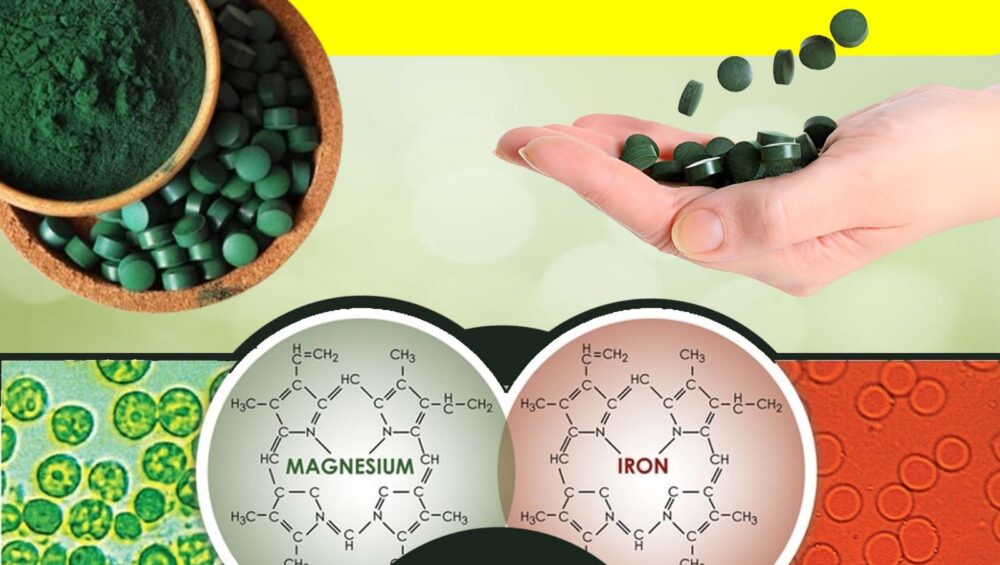
But chlorophyll is more than just a plant pigment. It has a remarkable molecular structure that resembles hemoglobin, the protein in our red blood cells. The only difference?
- Chlorophyll has a magnesium atom at its core
- Hemoglobin has an iron atom at its core
This structural similarity allows chlorophyll to support blood health, oxygenation, and detoxification in the human body.
Hemoglobin: The Oxygen Carrier
Hemoglobin is the protein in red blood cells that binds with oxygen in the lungs and delivers it to tissues and muscles throughout the body. Healthy hemoglobin levels are essential for:
- Energy production: Muscles need oxygen to perform efficiently
- Fatigue prevention: Low hemoglobin causes tiredness and weakness
- Cellular health: Oxygen supports cellular metabolism and recovery
Iron deficiency is the most common cause of low hemoglobin, leading to anemia, reduced stamina, and slow recovery—problems that can affect anyone, from athletes to office workers.
Chlorophyll in Spirulina: Nature’s “Green Blood”
Spirulina is one of the richest sources of chlorophyll, making it a natural ally for blood health. Here’s why it’s called green blood:
- Supports Red Blood Cell Production – Chlorophyll aids the body in producing red blood cells. By nourishing the blood, it helps maintain hemoglobin levels and ensures better oxygen delivery throughout the body.
- Detoxifies the Blood – Chlorophyll binds to toxins and heavy metals, helping the liver filter and remove harmful substances. Cleaner blood improves overall health and immunity.
- Boosts Oxygen Transport – Due to its similarity to hemoglobin, chlorophyll helps optimize oxygen utilization at the cellular level. This leads to higher energy, reduced fatigue, and improved endurance.
- Improves Overall Vitality – Spirulina’s combination of chlorophyll, protein, and essential vitamins ensures the blood is nourished, oxygenated, and capable of supporting overall bodily functions efficiently.
The Holistic Benefits of Spirulina as Green Blood
- Anemia prevention: Spirulina is a natural source of iron and essential nutrients that support hemoglobin levels.
- Enhanced energy: Better oxygen transport translates into more stamina and reduced fatigue.
- Immune support: Clean, oxygen-rich blood strengthens the immune system.
- Detoxification: Chlorophyll helps neutralize free radicals and remove toxins.
- Skin health: Blood purification improves circulation, giving skin a natural glow.
Conclusion
The nickname “green blood” isn’t just a marketing term—it reflects the structural similarity between chlorophyll in Spirulina and hemoglobin in human blood, and the remarkable benefits this brings. From supporting red blood cell production and improving oxygen delivery to detoxifying the blood and boosting energy, Spirulina’s chlorophyll makes it a powerful superfood for overall health.
By incorporating Spirulina into your daily diet, you are literally nourishing your blood, enhancing vitality, and supporting long-term wellness—nature’s way of keeping your blood green and healthy.
Check our product—Spirulina.